Tuesday, March 3, 2026

The Benefits of Shiatsu for Tennis Elbow and Frozen Shoulder

Chronic arm and shoulder pain can interfere with everyday life — from lifting a kettle to typing on a computer. Two common conditions I see in practice are Tennis Elbow and Frozen Shoulder.
Shiatsu offers a natural, holistic approach to reducing pain, restoring movement, and supporting the body’s healing process.
Let’s explore how.

πŸ’ͺ Shiatsu for Tennis Elbow

(Lateral Epicondylitis)
Tennis Elbow isn’t only caused by sports. It commonly affects:
Office workers
Hairdressers
Therapists
Parents lifting children
Anyone performing repetitive arm movements
It involves inflammation and micro-tears in the forearm tendons near the elbow joint.

🌿 How Shiatsu Helps Tennis Elbow

Shiatsu works along meridians that run through the arm to:
✔ Improve blood circulation to the tendons
✔ Reduce muscular tension in the forearm
✔ Support natural anti-inflammatory response
✔ Decrease pain signals through nervous system regulation
✔ Encourage tissue repair
By addressing both muscular and energetic blockages, Shiatsu treats more than just the symptom.

✨ Important Acupressure Points for Tennis Elbow

πŸ”΄ LI10 (Shousanli) Located three finger-widths below the elbow crease on the outer forearm. Supports circulation and reduces forearm pain.
πŸ”΄ LI11 (Quchi) Found at the outer end of the elbow crease. Helps clear heat and inflammation.
πŸ”΄ LI4 (Hegu) Between the thumb and index finger. A powerful point for relieving upper limb pain.
(Avoid strong stimulation during pregnancy.) LI4
πŸ”΄ SJ5 (Waiguan) Three finger-widths above the wrist crease on the outer forearm. Improves joint mobility and reduces stiffness.

❄️ Shiatsu for Frozen Shoulder

(Adhesive Capsulitis)
Frozen Shoulder is characterized by:
Severe stiffness
Limited range of motion
Deep aching pain
Gradual onset
It occurs when the shoulder joint capsule becomes inflamed and tight.

🌿 How Shiatsu Supports Frozen Shoulder Recovery

Shiatsu techniques:
✔ Relax surrounding muscle groups
✔ Improve lymphatic flow
✔ Reduce guarding in the nervous system
✔ Encourage gentle joint mobility
✔ Support emotional stress release (shoulders often hold stress)
Because Shiatsu works holistically, it treats both physical restriction and energetic stagnation.

✨ Key Acupressure Points for Frozen Shoulder

πŸ”΄ LI15 (Jianyu)
Located at the front of the shoulder.
Improves shoulder mobility and reduces pain.
πŸ”΄ SJ14 (Jianliao)
Posterior shoulder point.
Relieves deep joint stiffness.
πŸ”΄ SI9 (Jianzhen)
Just above the back armpit fold.
Releases tight shoulder muscles.
πŸ”΄ GB21 (Jianjing)
Midway between neck and shoulder.
Reduces upper shoulder tension
(Avoid strong stimulation during pregnancy.)

🌿 Why Shiatsu Is Effective for Joint Conditions

Shiatsu is rooted in Traditional East Asian Medicine principles and works through:
Meridian stimulation
Pressure-point therapy
Nervous system balancing
Improved energy (Qi) circulation
Unlike deep tissue massage, Shiatsu applies sustained, intentional pressure that allows tissues to soften naturally — making it especially beneficial for chronic conditions.

🌸 When to Seek Additional Support

While Shiatsu is highly supportive, always consult a medical professional if you experience:
Sudden severe pain
Loss of strength
Numbness or tingling
Injury after trauma
Shiatsu works beautifully alongside physiotherapy and medical care.
🌿 Final Thoughts
Tennis Elbow and Frozen Shoulder don’t have to define your movement or quality of life. With consistent Shiatsu treatments, the body can regain mobility, reduce inflammation, and restore natural balance.
If you’re in Cape Town and ready to experience therapeutic Shiatsu, I would love to support your healing journey.
— Rose 🌿

Tuesday, September 23, 2025

The Benefits of Shiatsu: Healing Through Touch

Shiatsu Benefits

Shiatsu, a traditional Japanese therapy, uses gentle finger and palm pressure on specific points of the body to restore balance, release tension, and encourage natural healing. Rooted in Traditional Chinese Medicine, it focuses on energy flow (Qi) and the body’s ability to heal itself.
If you’re curious about how Shiatsu can improve your health and well-being, here are some of its most powerful benefits:

🌿 Physical Benefits
* Relieves muscle tension, stiffness, and chronic pain
* Improves blood circulation and lymphatic flow
* Supports recovery from injuries and fatigue
* Enhances flexibility and mobility
* Boosts the immune system naturally

🧘 Mental & Emotional Benefits
* Reduces stress and anxiety
* Promotes deep relaxation and calmness
* Improves mental clarity and focus
* Encourages emotional balance and resilience
* Helps manage symptoms of depression

😴 Lifestyle & Wellness Benefits
* Improves sleep quality and reduces insomnia
* Supports digestive health and relieves discomfort
* Eases headaches and migraines
* Restores energy levels and vitality
* Encourages overall well-being and self-awareness

✨ Why Choose Shiatsu?
Unlike conventional massage, Shiatsu works holistically on body, mind, and spirit. It’s a gentle, non-invasive therapy that can be adapted for all ages and health conditions, making it a natural choice for those seeking long-term wellness.

πŸ‘‰ Have you tried Shiatsu before? Share your experience in the comments below! For a great Accupressure Mat click this link.

Thursday, August 14, 2025

Makko-Ho Stretches: Unlock Your Body’s Energy Flow

If you’re looking for a simple yet powerful way to boost your flexibility, improve circulation, and support your overall well-being, the Makko-Ho stretches are a perfect place to start. Rooted in Japanese tradition, these stretches aren’t just about physical fitness — they’re also designed to harmonize your body’s energy flow.
What Are Makko-Ho Stretches?
Makko-Ho is a series of six stretching exercises that originated in Japan, developed by Shizuto Masunaga, a master of Shiatsu therapy. The stretches are designed to stimulate the meridians (energy channels) in the body, which are also recognized in Traditional Chinese Medicine. By stretching along these meridians, you can help restore balance and vitality.
The Benefits of Makko-Ho Stretches
Regular practice of Makko-Ho can offer many benefits, including:

• Improved flexibility in the legs, hips, and spine
• Better posture through balanced muscle engagement
• Enhanced circulation and oxygen flow
• Reduced stiffness in joints and muscles
• Support for emotional balance through energy regulation
The Six Makko-Ho Stretches
Each stretch targets specific meridians and organ systems:
1. Lung & Large Intestine Stretch – Boosts breathing capacity and digestive health.
2. Stomach & Spleen Stretch – Improves digestion and helps with energy levels.
3. Heart & Small Intestine Stretch – Supports cardiovascular health and emotional stability.
4. Bladder & Kidney Stretch – Promotes detoxification and balances water energy.
5. Pericardium & Triple Heater Stretch – Enhances immune function and circulation.
6. Liver & Gallbladder Stretch – Aids detoxification and supports joint health.
How to Practice Safely
• Warm up before starting to avoid muscle strain.
• Move slowly and avoid forcing your body into discomfort.
• Breathe deeply, holding each stretch for 20–30 seconds.
• Consistency is more important than intensity — daily practice yields the best results.
Final Thoughts
Makko-Ho stretches are a gentle yet transformative way to care for your body and mind. Whether you’re seeking physical flexibility, energy balance, or a mindful daily ritual, these stretches can become a grounding and rejuvenating habit.
See video above on how to do the Makko-Ho Stretches from Shiatsu College.

Monday, July 28, 2025

πŸͺ΅The Wood Element in TCM

The Wood Element is how you respond to the world. It enables people to be free spirits who live creatively, with their own goals.
Wood Relates To:
• Freedom and flexibility
• Creativity and Control
• Expression and effectiveness
• Detoxification and decision-making
Someone with harmonious Wood Energy
• Is a creative person
• Has a flexible body, can bend and stretch
• Has a flexible mind that is not prejudiced and open to new ideas.
• Is confident making decisions and functions well in a crisis.
• Has a good liver, able to digest food and the odd alcoholic drink.
The liver is like a factory processing plant for the body. It processes fats, alcohol, excess proteins and toxins,
πŸͺ΅How Wood Energy gets out of balance
Control
Over indulgence
Not enough movement
Repression of strong emotions
Stress
The Element of Wood is associated with the Liver and Gall Bladder Meridians. These are situated on the sides of the body and are important for bending and twisting.
Do stretching for out of balance Wood Energy.
To Channel Wood Energy
Sit with feet wide apart on the floor.
Reach down to left leg, looking at right leg
Stretches side of the body.
Repeat to other side
Stand with feet apart, let arms start to swing from side to side
Keep swinging for a few minutes

Thursday, July 3, 2025

🌊 Understanding Water Energy in Traditional Chinese Medicine (TCM)

In Traditional Chinese Medicine (TCM), the Five Elements—Wood, Fire, Earth, Metal, and Water—represent different aspects of nature, health, and the human body. Among them, Water is the most yin, symbolizing stillness, depth, and the unseen potential of life. It’s the element of winter, a season of rest and quiet power.

πŸ’§ What Is Water Energy?
Water energy in TCM governs our Kidneys and Bladder, and is associated with Jing (essence)—the inherited energy we are born with. This element is deeply connected to our bones, reproductive system, ears, and hair.

Emotionally, Water is tied to fear, but in balance, it transforms into wisdom, willpower, and the ability to adapt with calm strength.

πŸ”Ή Key Associations of Water Energy
Organs: Kidney & Bladder
Sense Organ: Ears
Tissue: Bones and bone marrow
Season: Winter
Emotion: Fear (balanced = courage and confidence)
Color: Black or dark blue
Climate: Cold

❄️ Signs of Imbalanced Water Energy
When Water energy is depleted or out of balance, it may show up as:
Fatigue or burnout
Lower back and knee pain
Premature aging or hair loss
Infertility or reproductive issues
Urinary problems
Excessive fear or anxiety

🌿 How to Support and Strengthen Water Energy
During the winter months, and for overall balance, it’s important to nourish your Water element with lifestyle practices, diet, and mindful rest.

πŸ₯£ Eat Warming, Nourishing Foods
Soups and stews
Root vegetables
Seaweed and kelp
Black beans, kidney beans
Walnuts, sesame seeds
Bone broths (or plant-based mineral-rich broths)
Avoid cold or raw foods in excess, especially during winter.

🧘‍♀️ Embrace Rest and Reflection
Sleep earlier and longer during winter
Practice slow, restorative exercises like Yin Yoga, Qi Gong, or Tai Chi
Spend quiet time journaling, meditating, or simply being still
Limit overstimulation—Water needs calm to flow deeply

πŸ’¦ Stay Hydrated and Warm
Sip warm water or herbal teas
Dress to protect the lower back and kidneys from cold
Keep your feet warm—an old but wise TCM practice

πŸ•Š️ A Final Thought In TCM, Water teaches us that strength lies in stillness. Like a deep ocean, it holds vast reserves of power, even when it appears calm on the surface.

“In stillness, the clarity of water reflects the truth.” – TCM proverb

By aligning with Water energy, especially in the winter season, we connect to our roots, restore vitality, and prepare to emerge stronger when spring arrives.

Saturday, March 29, 2025

What is Shiatsu

Shiatsu is a form of Japanese therapeutic massage that involves applying pressure to specific points on the body using fingers, palms, and thumbs. It is based on the concept of traditional Chinese medicine, focusing on the flow of energy (or "qi") through pathways in the body called meridians. The goal of Shiatsu is to balance the body's energy, promote relaxation, reduce stress, and alleviate various physical ailments.

Shiatsu can help with conditions like muscle tension, headaches, digestive issues, and fatigue. Unlike some other types of massage, it is typically performed on a futon or mat on the floor, with the recipient fully clothed. It’s considered both a physical and energetic treatment, as the pressure applied can stimulate circulation, improve flexibility, and relieve pain.

Tuesday, April 5, 2022

Shiatsu, the Ancient Healing Art of Touch-How to Benefit from it and Use it Yourself

What is Shiatsu?

Shiatsu is a Japanese form of massage that uses finger pressure and palm or elbow movements on the body. The word Shiatsu comes from the Japanese words shi meaning “finger” and atsu meaning “pressure.” Shiatsu is a type of massage therapy that involves the use of hands, thumbs, fingers and even elbows to manipulate pressure points on the body. It is a form of acupressure which means it manipulates pressure points in order to heal by stimulating blood flow. Shiatsu can be used to relieve pain, improve range of motion and promote relaxation.

The Benefits of Shiatsu Massage Therapy

Shiatsu massage therapy is a type of massage that uses different pressure points on the body to work out tension. The therapist uses their hands, palms, and fingers to apply pressure on the muscles and joints in the body. Shiatsu massage therapy can help with pain relief, reduce stress levels, improve sleep quality, and provide other health benefits.

How to Give a Shiatsu Massage

The Shiatsu massage is a Japanese bodywork technique that involves the use of thumbs, fingers, and palms to apply pressure to specific points on the body. The pressure is applied in a deep circular motion and typically flows from the centre of the body outward. It is believed that Shiatsu massage can help improve circulation, relieve muscle tension, reduce stress levels, and promote relaxation. A Shiatsu massage can be administered by oneself or by another person. The most common positions are seated or standing behind someone else who is lying down on their back with their feet flat on the floor. With one hand placed under each side of the person’s spine for support, thumbs are then used to apply pressure in various locations along their back.

How to not dress for the Shiatsu Massage

If you are going for a Shiatsu Massage, make sure that you wear comfortable clothes. It is important that the clothing be loose enough so that the therapist can easily move around your body and apply pressure to different areas as needed. Please contact me on whatsapp on: 068 144 3527 or view our Facebook page

Wednesday, March 23, 2022

Shiatsu an its beneficial effect

Shiatsu is a Japanese form of massage therapy that uses the fingers and palms to apply pressure on the body’s acupressure points. It is believed that by applying pressure to these points, energy flow can be restored, which will in turn promote healing.
A shiatsu session typically lasts for about an hour and involves a variety of techniques including acupressure, stretching and deep tissue massage. It also includes stretching of muscles and joints, as well as manipulating the spine.

Thursday, October 7, 2021

Shiatsu and pain relieving benefits

Pain Relieving Benefits

Shiatsu assists in pain relieving qualities with the secretion of endorphins. Endorphins are chemical messengers within the brain which act as a natural analgesics, suppressing pain as well as regulating the body’s response to stress and determining your mood. The high that runners and swimmers get is the result of the release of endorphins during physical exertion. Shiatsu stimulates the release of this natural pain killer. Enkephalins are found in high concentration in the brain as well as in the cells of adrenal medulla. In response to pain, norepinephrine, a hormone that is activated in fight-or-flight response is released along with endorphins.

The reason why Shiatsu is so successful is the fact that first of all the whole body is treated and then the treatment proceeds by treating the places that reflect symptoms of a disease. For instance, if you suffer from pain in your right knee, the therapist will also treat your head, shoulders, neck, and lower back. The left knee will get at least as much attention as the right knee, as the left knee is now put under more pressure.

Origin of pain

The origin of the pain is not always caused by the painful area, but could just as well be found somewhere else in the body. Back problems, for instance, are a well-known symptom of organs that are out of balance. The Shiatsu massage brings the whole body back in balance in a natural way.

Shiatsu is based on the idea that the patient must be treated, not the illness.

Almost all complaints and disorders can be treated with Shiatsu. Examples are for instance: back troubles, headaches, and stress, breathing and digestion problems. In case of overtiredness, emotional problems and stress-related complaints, Shiatsu can also have a positive influence. Dopamine: Often called the "happy hormone," dopamine results in feelings of well-being. A primary driver of the brain's reward system, it spikes when we experience something pleasurable.

The Meridians (energy lines)

(American Organization for Bodywork Therapies of Asia (aobta.org) "The meridians form a network — like a system of roads, highways, and country lanes. Acupoints are found at the major junctions, crossroads, overpasses, bus stops and traffic lights. The subtle art of assessment and treatment requires the selection of specific meridians and acupoints that can be used to unblock traffic jams and enhance the free flow of traffic that results in homeostasis."

Friday, May 28, 2021

Tools used in Shiatsu

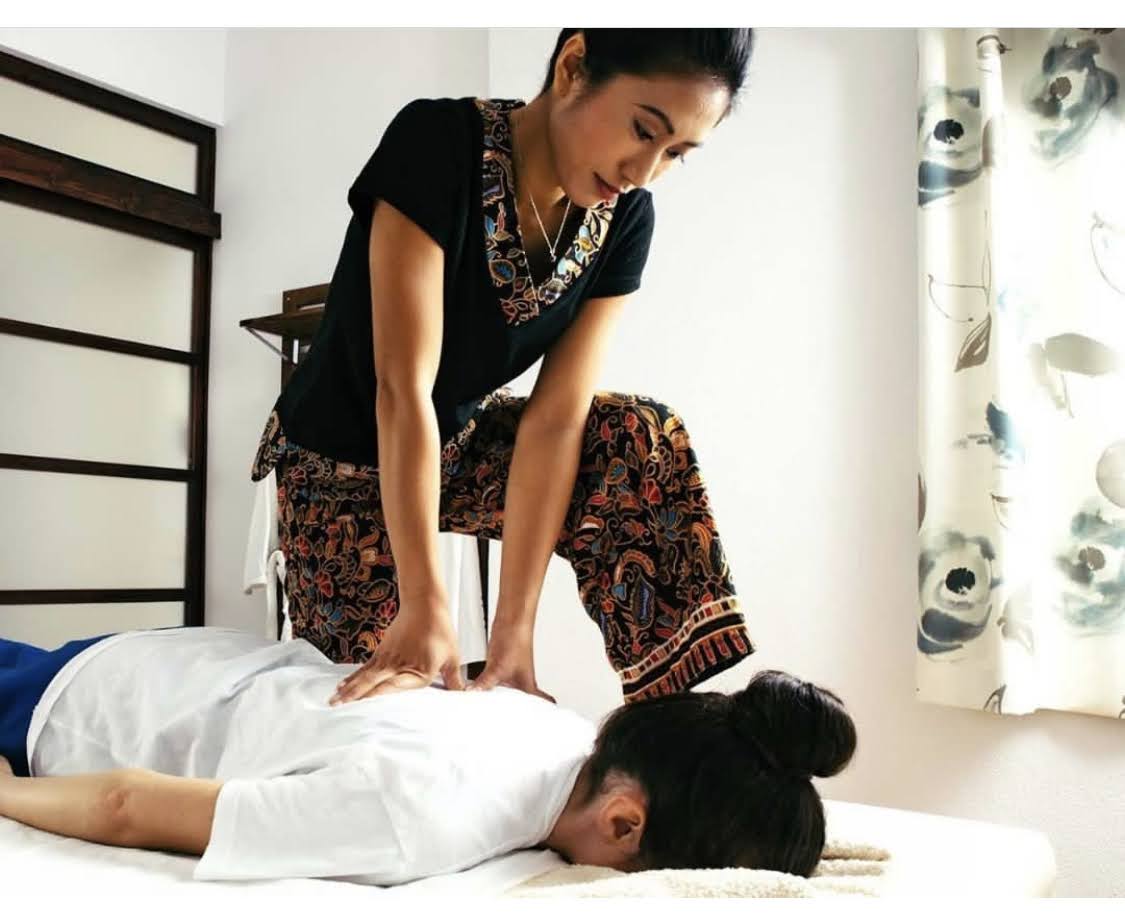
The Shiatsu Therapist uses various parts of the limbs as ‘tools’. The main tools are the palms, thumbs and fingers. The second set of tools, but still important are forearms, elbows, knees and feet. So you will find the therapist will use some or most of these tools during the course of your session.
The palms and fingertips are used at the start of session to feel for areas in your body that may need loosening up, calming down or strengthening. The fingertips are rich in sensory nerve endings and are therefore sensitive. The Shiatsu Therapist will then use the thumbs or fingertips if specific pressure is required to a pressure point. If a general area is worked on they will use their palms. If strong pressure is called for then forearms, elbows, knees or feet may be used. Please contact me on whatsapp for an appointment +2782 572 7443

Thursday, June 27, 2019

Benefits of Shiatsu Massage

What are the benefits of Shiatsu Massage?

Reduce Stress Help with pain Anxiety Improves flow of energy through body.
People are turning to natural healing methods to control pain other than pain medications which have some awful side effects. Some of the natural methods are traditional Chinese medicines, meditation, herbal remedies, reiki and massage.

How Shiatsu Massage can help you

In Shiatsu massage the massage therapist uses their fingers, palms, elbows, knees and feet to manipulate the body at specific pressure points along the body's meridians, working on pressure point relevant to your problems you are experiencing. Your therapist may use gentle tapping, kneading or stretching techniques to alleviate your pain and aches during a Shiatsu session. It also helps improve blood flow and release chemicals within the body that reduce stress and anxiety and elevate your mood. Shiatsu massage is wonderful for treating lots of other common conditions, including headaches, sleep disturbances, stress and anxiety, muscle pain and stiffness, and pregnancy discomfort. Another one of the benefits of Shiatsu massage is that it also works wonders for general health and wellness.

Searching online for a Shiatsu Therapist

Use the keyword Shiatsu to find therapist who specialize in this style of massage. Make sure they have a Shiatsu certification or use Shiatsu methods. The Shiatsu Academy I trained with has a therapist list. The benefits of Shiatsu massage therapy are worth it.