Showing posts with label pressure points. Show all posts

Sunday, June 28, 2026

Help with acupressure & gum disease

A bit about acupressure and gum disease

While acupressure cannot cure gum disease or replace professional dental care, it is an excellent complementary tool to relieve gum swelling, toothaches, and jaw tension. Stimulating specific pressure points can boost blood flow, decrease inflammation, and trigger the release of natural endorphins.
Targeting the following specific acupressure points can help soothe your gums and relieve oral discomfort:
SI 18 (Quanliao / Cheekbone Crevice): Located directly below the outer corner of your eye in the hollow of the cheekbone. This point is widely used to treat swollen gums, tooth decay, and general oral pain. Press firmly with your fingertips for 1–2 minutes.
ST 6 (Jiache / Jaw Chariot): Located halfway between the corner of your mouth and the bottom of your earlobe. Clench your jaw and feel for the muscle that flexes; press firmly here to relieve jaw tension, toothaches, and facial pain.
LI 4 (He Gu / Union Valley): Found in the webbed area of skin between your thumb and index finger. Pinch this area using the thumb and index finger of your opposite hand to ease toothaches and inflammatory pain. (Note: Avoid this point if you are pregnant, as it can induce labor).
ST 7 (Xiaguan): Located in the depression just below your cheekbone, right in front of your ear. It opens up when your mouth is closed. Massaging this point relaxes jaw muscles and alleviates upper gum and tooth pain.

How to Apply Pressure:
Get into a relaxed, comfortable position and breathe deeply.
Use your thumb or a rounded object to press firmly but gently onto the pressure point.
Stimulate the area with a steady or circular motion for 1 to 2 minutes.
Always stop if you feel intense pain.


Disclaimer: Acupressure is for symptom management and should not be used as a substitute for professional dental treatments (like cleanings or root planing), especially if you have signs of infection or severe gum disease.
Sources: Medical News Today, Healthline, Dr (TCM) Attilo D'Alberto This is for informational purposes only. For medical advice or diagnosis, consult a professional. AI responses may include mistakes. Learn more

Tuesday, April 5, 2022

Shiatsu, the Ancient Healing Art of Touch-How to Benefit from it and Use it Yourself

What is Shiatsu?

Shiatsu is a Japanese form of massage that uses finger pressure and palm or elbow movements on the body. The word Shiatsu comes from the Japanese words shi meaning “finger” and atsu meaning “pressure.” Shiatsu is a type of massage therapy that involves the use of hands, thumbs, fingers and even elbows to manipulate pressure points on the body. It is a form of acupressure which means it manipulates pressure points in order to heal by stimulating blood flow. Shiatsu can be used to relieve pain, improve range of motion and promote relaxation.

The Benefits of Shiatsu Massage Therapy

Shiatsu massage therapy is a type of massage that uses different pressure points on the body to work out tension. The therapist uses their hands, palms, and fingers to apply pressure on the muscles and joints in the body. Shiatsu massage therapy can help with pain relief, reduce stress levels, improve sleep quality, and provide other health benefits.

How to Give a Shiatsu Massage

The Shiatsu massage is a Japanese bodywork technique that involves the use of thumbs, fingers, and palms to apply pressure to specific points on the body. The pressure is applied in a deep circular motion and typically flows from the centre of the body outward. It is believed that Shiatsu massage can help improve circulation, relieve muscle tension, reduce stress levels, and promote relaxation. A Shiatsu massage can be administered by oneself or by another person. The most common positions are seated or standing behind someone else who is lying down on their back with their feet flat on the floor. With one hand placed under each side of the person’s spine for support, thumbs are then used to apply pressure in various locations along their back.

How to not dress for the Shiatsu Massage

If you are going for a Shiatsu Massage, make sure that you wear comfortable clothes. It is important that the clothing be loose enough so that the therapist can easily move around your body and apply pressure to different areas as needed. Please contact me on whatsapp on: 068 144 3527 or view our Facebook page

Wednesday, March 23, 2022

Shiatsu an its beneficial effect

Shiatsu is a Japanese form of massage therapy that uses the fingers and palms to apply pressure on the body’s acupressure points. It is believed that by applying pressure to these points, energy flow can be restored, which will in turn promote healing.
A shiatsu session typically lasts for about an hour and involves a variety of techniques including acupressure, stretching and deep tissue massage. It also includes stretching of muscles and joints, as well as manipulating the spine.

Friday, May 28, 2021

Tools used in Shiatsu

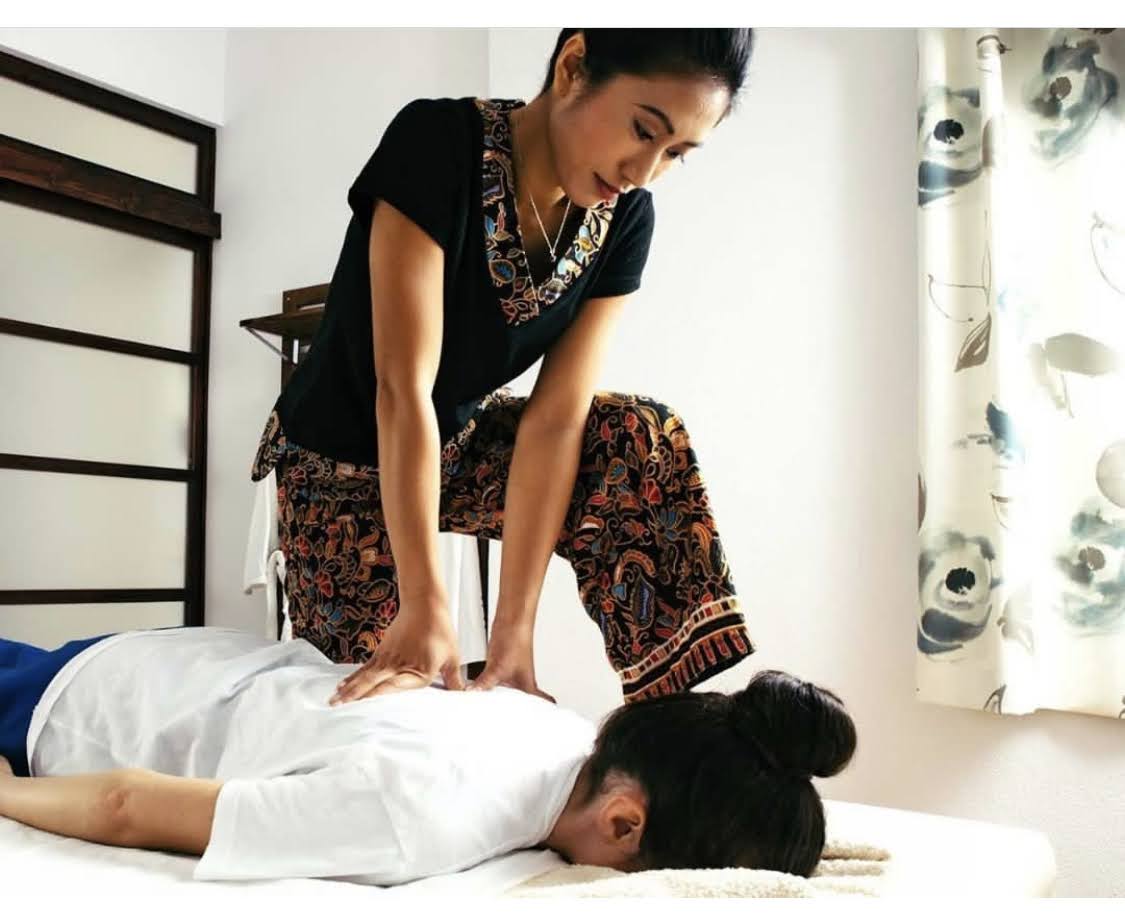
The Shiatsu Therapist uses various parts of the limbs as ‘tools’. The main tools are the palms, thumbs and fingers. The second set of tools, but still important are forearms, elbows, knees and feet. So you will find the therapist will use some or most of these tools during the course of your session.
The palms and fingertips are used at the start of session to feel for areas in your body that may need loosening up, calming down or strengthening. The fingertips are rich in sensory nerve endings and are therefore sensitive. The Shiatsu Therapist will then use the thumbs or fingertips if specific pressure is required to a pressure point. If a general area is worked on they will use their palms. If strong pressure is called for then forearms, elbows, knees or feet may be used. Please contact me on whatsapp for an appointment +2782 572 7443

Thursday, June 27, 2019

Benefits of Shiatsu Massage

What are the benefits of Shiatsu Massage?

Reduce Stress Help with pain Anxiety Improves flow of energy through body.
People are turning to natural healing methods to control pain other than pain medications which have some awful side effects. Some of the natural methods are traditional Chinese medicines, meditation, herbal remedies, reiki and massage.

How Shiatsu Massage can help you

In Shiatsu massage the massage therapist uses their fingers, palms, elbows, knees and feet to manipulate the body at specific pressure points along the body's meridians, working on pressure point relevant to your problems you are experiencing. Your therapist may use gentle tapping, kneading or stretching techniques to alleviate your pain and aches during a Shiatsu session. It also helps improve blood flow and release chemicals within the body that reduce stress and anxiety and elevate your mood. Shiatsu massage is wonderful for treating lots of other common conditions, including headaches, sleep disturbances, stress and anxiety, muscle pain and stiffness, and pregnancy discomfort. Another one of the benefits of Shiatsu massage is that it also works wonders for general health and wellness.

Searching online for a Shiatsu Therapist

Use the keyword Shiatsu to find therapist who specialize in this style of massage. Make sure they have a Shiatsu certification or use Shiatsu methods. The Shiatsu Academy I trained with has a therapist list. The benefits of Shiatsu massage therapy are worth it.

Thursday, May 11, 2017

A bit about Shiatsu

Shiatsu is based on the ancient art of Japanese acupressure massage and the philosophies of Traditional Chinese Medicine.

Shiatsu originated in China at least 2000 years ago, where it was discovered that causes of ailments and the remedies could be changed through simply a change in diet and a way of life. The use of massage and acupuncture was also recommended. In Japan the practise was developed into a particular technique of massage, it was known as anma or amma, ancient oriental massage. The therapy you get today has evolved from a mixture of East and West. Shiatsu, meaning broken down, shi means fingers and atsu means pressure. It has evolved more than just finger pressure, from amma which parts of the body were pressed or rubbed.

Shiatsu Treatment works on three levels:

Physical: When the Giver's finger or thumb makes contact with the skin of the Receiver, even through the light clothing recommended for receiving a treatment, heat is generated, melting the gel around cells in the vicinity. As the gel becomes a solution, suspended toxins are released into the lymphatic system to be eliminated through the cardiovascular and respiratory systems Energetic: the solution better allows conduction of the Qi's healing message through the connective tissues and organ-meridian networks regulating the body-mind systems. Mental/Spiritual: Connection with Spirit and conscious use of Intuition are supported by Intention:

Benefits of Shiatsu:

Improves general well -being Release tension and promote relaxation Back pain / Neck and shoulder pain Headaches / migraines Anxiety/stress Insomnia Arthritis pain Frozen Shoulder Tennis elbow Whiplash Shiatsu creates a feeling of good health in the whole person, not just in the physical sense. There are many benefits for both the giver and the receiver of shiatsu, both on a physical and spiritual level.

How does Shiatsu work?

Using physical touch to assess the flow of energy Qi throughout the body and thereby correcting imbalances by pressing, hooking, sweeping, rocking, patting, lifting, plucking lifting, rolling and brushing. Stretches are also used to manipulate by improving flexibility and allowing the energy Qi to flow around the body. Tonifying or dispersing energy, stretching, breathing, stress releasing and meditation techniques are utilized to bring the person into balance.

How safe is Shiatsu?

Shiatsu is safe for everyone and particularly beneficial for pregnant women, though some adjustment is needed, even small children and the elderly can be treated. The basic guidelines as to when and where not to give or receive Shiatsu are similar to those of any treatment which affects the flow of energy, blood and body fluids through the system. These would include times of high fever, especially when accompanied by local infection or inflammation or by infectious disease of any sort; cancer; heart disease; and areas where there may be cuts, bruises, scar tissue, injury or swelling. However, since Shiatsu techniques vary from the very dynamic to the soft and gentle, it could still be possible to use the supportive quality of some of the holding techniques in most of these situations.

Shiatsu offered

Shiatsu Head Neck & Shoulders (20minutes) I do it either in a massage chair or seated in a chair. Massage covers: hands. arms, neck, shoulders, upper back, head and face No oils used on body, you remain fully clothed, I use a body cloth. Extremely good for relieving pain and tension in the upper body.

Shiatsu Full Body (1hour 15 minutes)

I do this on a mattress on the floor, or on a massage table - it covers the whole body.

After effects of Shiatsu

A deep relaxation occurs and the stimulus to the major body systems, you may have some healing reactions. Some people feel cold or flu-like symptoms, aches and pains, or headaches after the first treatment. These symptoms will only last for a day or so and usually subside with each subsequent treatment. If these symptoms persist, please consult a qualified physician immediately. In general, any such effects you may experience are positive signs from your body telling you it is making an attempt to correct its own condition in a natural way. These are signs of elimination and the beginning of the healing process.